

The Contrast
If you’re a software engineer in 2026, you’re spoiled.
You can deploy an application with Vercel in minutes. Install packages with a single command. Open Cursor and have an AI help write your code. Modern developer tools are connected and intuitive, almost like they know what you need at every step of the process.
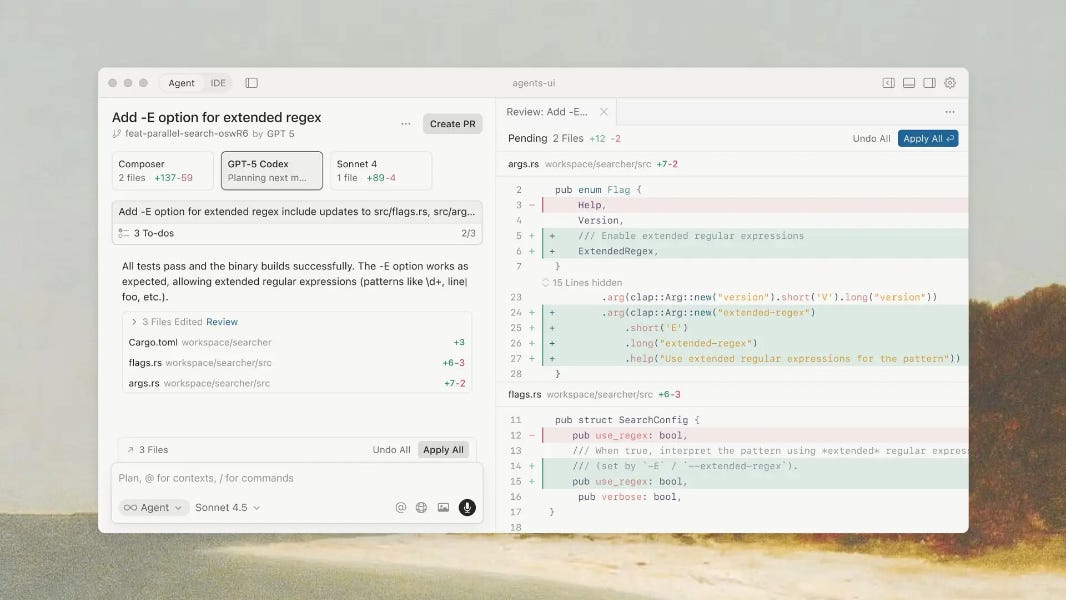
The user experience is part of the product.
Now compare that to a typical bioinformatics workflow.
Imagine you're trying to understand a single gene. You want to know what it does, where it's active, what diseases it's associated with, what scientists have published about it, and how it interacts with other biological systems. Unfortunately, that information usually lives in different places.
One website explains the gene itself (NCBI).
Another contains experimental data (GEO).
Another maps biological pathways (KEGG).
Another stores research papers (Pubmed).
And on and on…
Before long, you find yourself with 10 tabs open and a spreadsheet, (or notes app), tracking everything.
Biology has experienced an explosion of data over the last two decades. The interfaces for navigating that data have not evolved at the same pace.
Each database is valuable. Each database was built for a specific purpose. The problem is that researchers often have to act as the integration layer between them.
Why Nothing Has Changed
It’s not because these resources don’t care. In fact, many of these databases are remarkable with resources that serve millions of researchers. They preserve enormous amounts of scientific knowledge and make it freely available to the world.
But they were developed at a different time period with a different goal in mind.
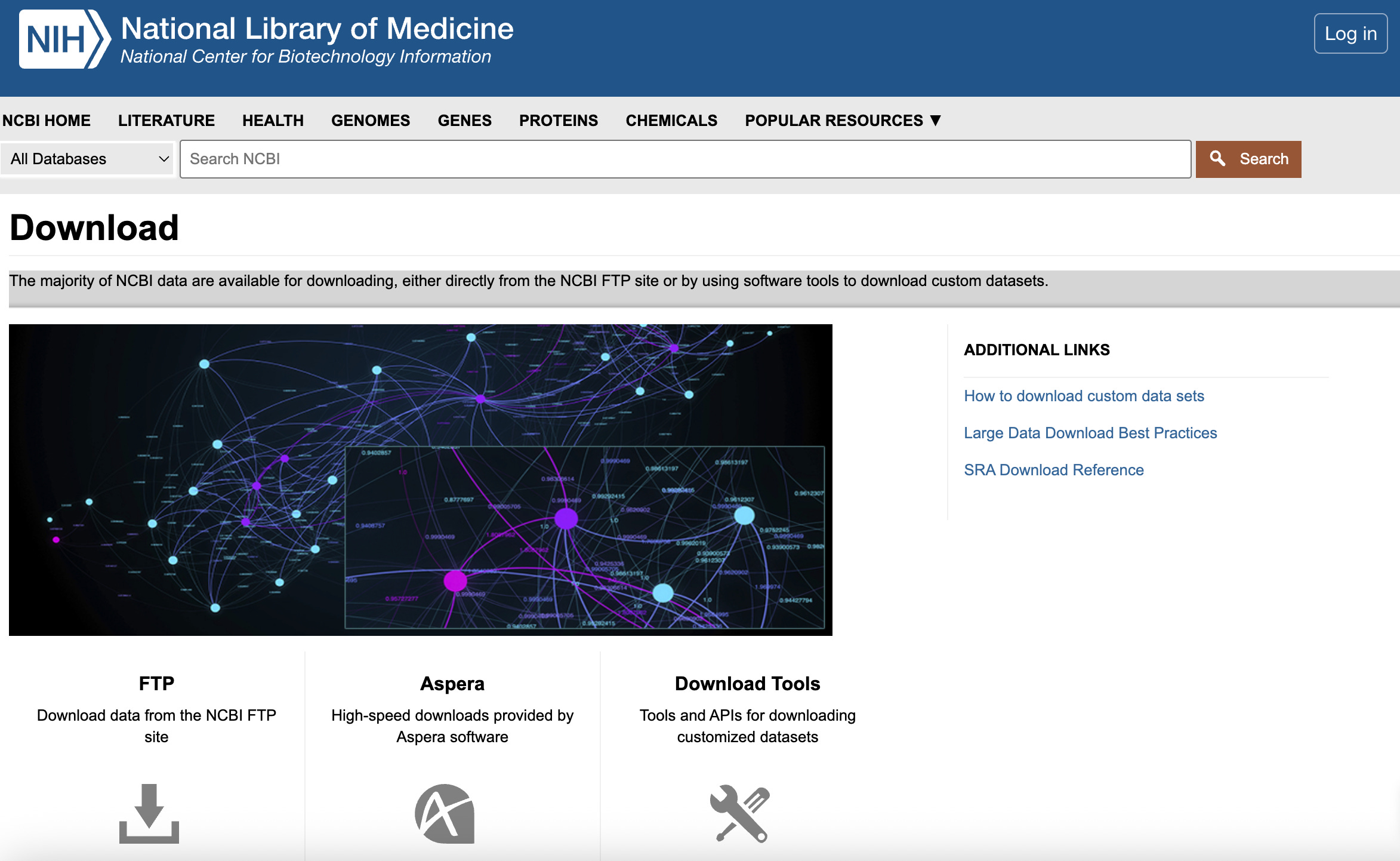
Their primary mission is archival, accessibility, and scientific accuracy. They are designed to store information, not necessarily to optimize workflows.
That’s a reasonable tradeoff. A government agency’s job is not to build the next Stripe or Linear. Its job is to preserve and distribute scientific data.
The result is that nobody is responsible for building the connective tissue between these systems.
Researchers fill that gap themselves:
They copy identifiers → Move between tabs → Download files → Run scripts → Repeat
What nfx Does Differently
We didn’t build another database. Biology already has excellent databases. What it lacks is a modern interface layer. nfx sits on top of the resources researchers already use and connects them into a single workflow.
Instead of deciding where to search, users start with what they have.
A gene symbol
A variant ID
A protein structure
A dataset accession
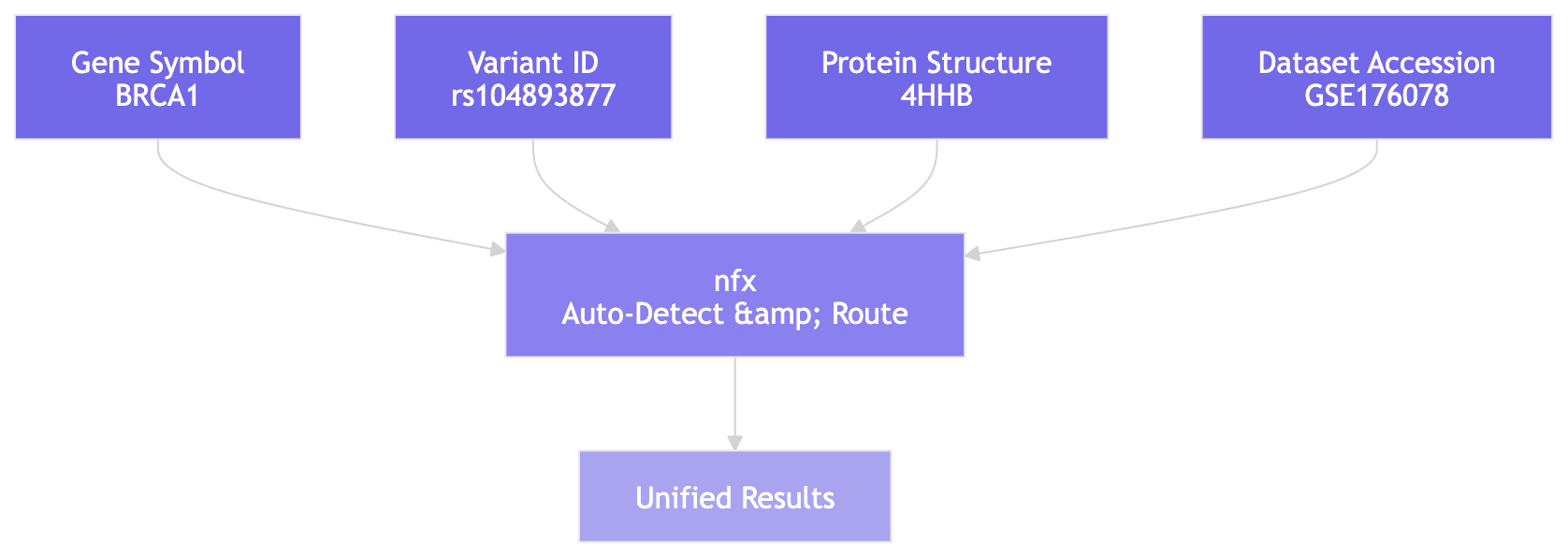
nfx determines what the input is, queries the appropriate databases, and returns the results in one place.
One command → Multiple databases → Merged results.
The same philosophy that transformed developer tools is beginning to make its way into biology.
The DNA Helix in the Terminal
Try It
Biology has some of the world’s most valuable datasets and some of the smartest people working on difficult problems.
It deserves tools that feel like they were built this decade and nfx is our attempt to help move the ecosystem in that direction.
If you’d like to try it, reach out. Enterprise teams can contact us for unlimited access and custom deployments.